Skip the Mall Road crush. A local's guide to Old Manali's cafes, the Hadimba cedar temple, Vashisht hot springs, Solang adventures and the Atal Tunnel run into the Lahaul desert.
Most first-time visitors to Manali spend their trip shuffling along Mall Road, dodging selfie sticks and woollen-cap sellers, and leave wondering what the fuss was about. The real Manali begins the moment you turn off that strip. Sitting at roughly 2,050 metres on the banks of the Beas river, the town is really a launch pad into deodar forests, hot springs, an old backpacker village and, since 2020, a tunnel that opens up an entire high-altitude desert on the other side of the mountains. Here is how to spend your days beyond the crowds.
Start in Old Manali, not New Manali
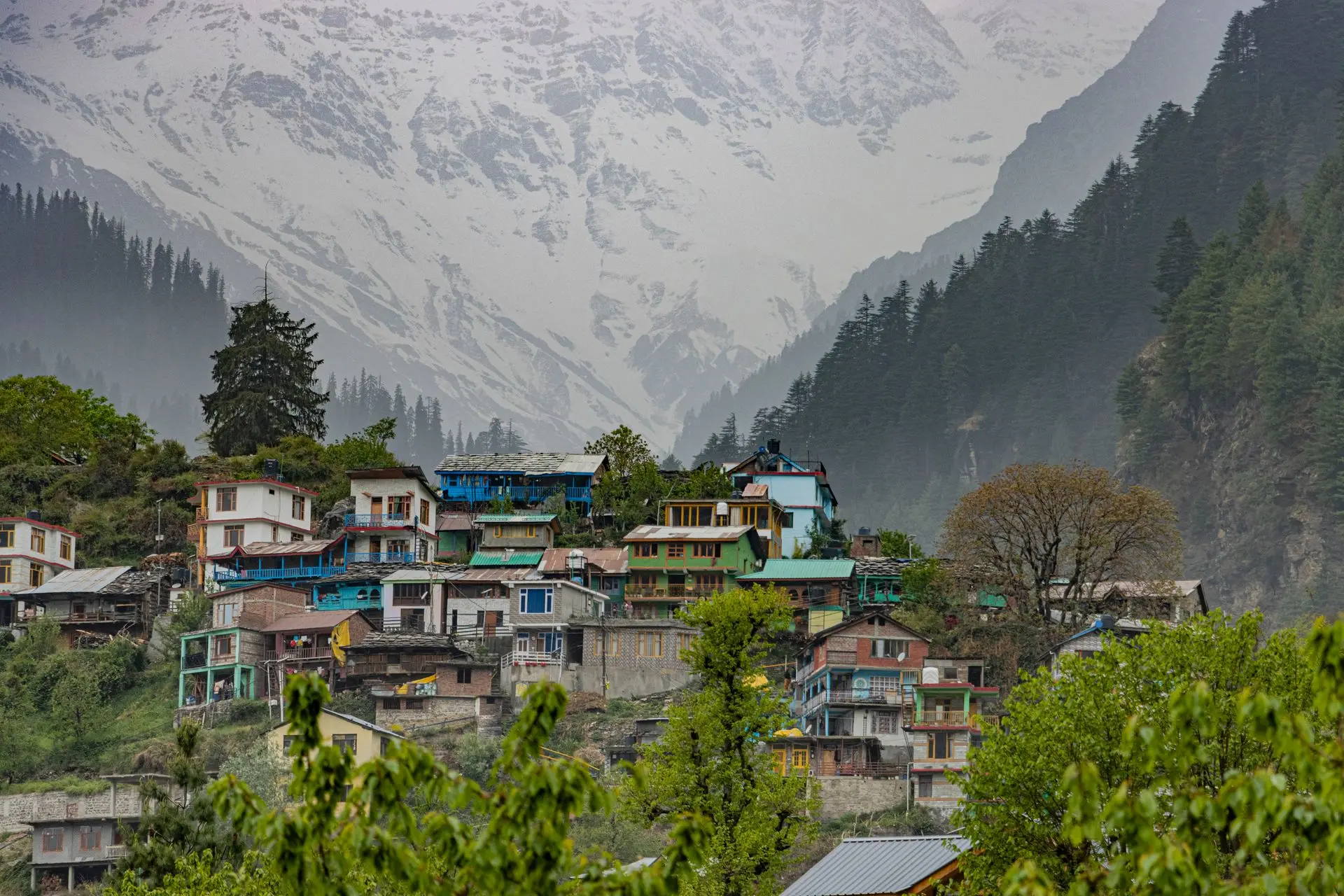
A fifteen-minute uphill walk across the bridge takes you from the bustle into Old Manali, perched a little higher up the hillside. The lanes narrow, apple orchards appear, and the cafes lean into a slow, hippie-trail rhythm with wood-fired pizzas, banana pancakes and live music by the river. Tucked in the Log Hut area is the Manu Temple, dedicated to the sage Manu and set among cedar trees. Entry is free and it is open daily through the day, so it makes a peaceful morning stop before the day heats up; hours can shift with the season, so it is worth confirming locally.
Hadimba Temple and the Dhungiri cedar forest
Barely two kilometres from the Mall, the Hadimba Devi Temple is Manali's most atmospheric sight and easy to miss if you only shop. Built in 1553 CE by Maharaja Bahadur Singh, it is a four-tiered wooden pagoda of intricately carved cedar, dedicated to Hidimba Devi, the wife of Bhima from the Mahabharata. What makes it special is the setting: a thick, ancient deodar grove called Dhungiri Van Vihar that stays cool and hushed even on the busiest afternoons. Go early, before the tour buses and the costumed-yak photographers arrive.
Vashisht springs and the Jogini Falls trek
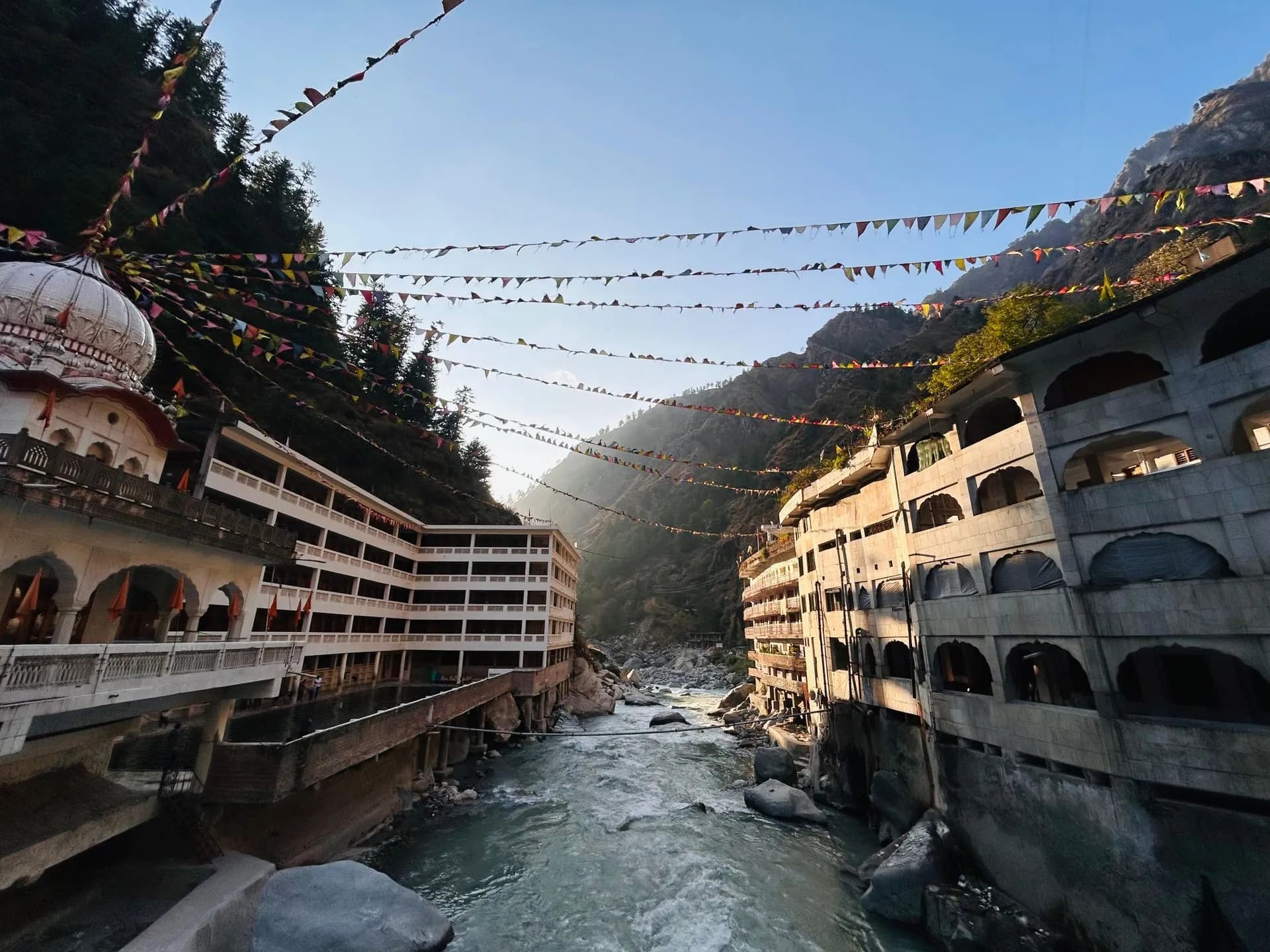
About 3 kilometres from town, across the river, the village of Vashisht is built around a temple honouring the Vedic sage Vashisht and fed by natural sulphur hot springs, where the water runs at roughly 110 to 123 degrees Fahrenheit. A soak here is free and genuinely restorative after a long drive. Use Vashisht as the trailhead for the Jogini Falls trek, a gentle 3 to 4 kilometre climb through terraced fields and pine to a multi-tiered cascade that drops roughly 150 feet. It is a half-day outing suitable for reasonably fit families, and there is no entry fee at the falls.
Solang Valley for the adrenaline
Some 13 to 14 kilometres up the valley, a 30 to 40 minute drive, Solang Valley sits at around 2,560 metres and is Manali's adventure playground. In summer and autumn (roughly March to June and September to November) the meadow fills with paragliding, zorbing, a ropeway and horse rides; in winter it turns into a beginner-friendly snow-and-skiing slope. Paragliding launches from the slopes above the valley and gives you 15 to 20 minutes in the air, best flown between 10 AM and 2 PM when the winds behave.
If you only have time for one thing beyond Mall Road, drive through the Atal Tunnel to Sissu. In a single day you can cross from green Kullu into the stark Lahaul desert and be back for dinner, no overnight required.
Through the Atal Tunnel to Sissu and Lahaul
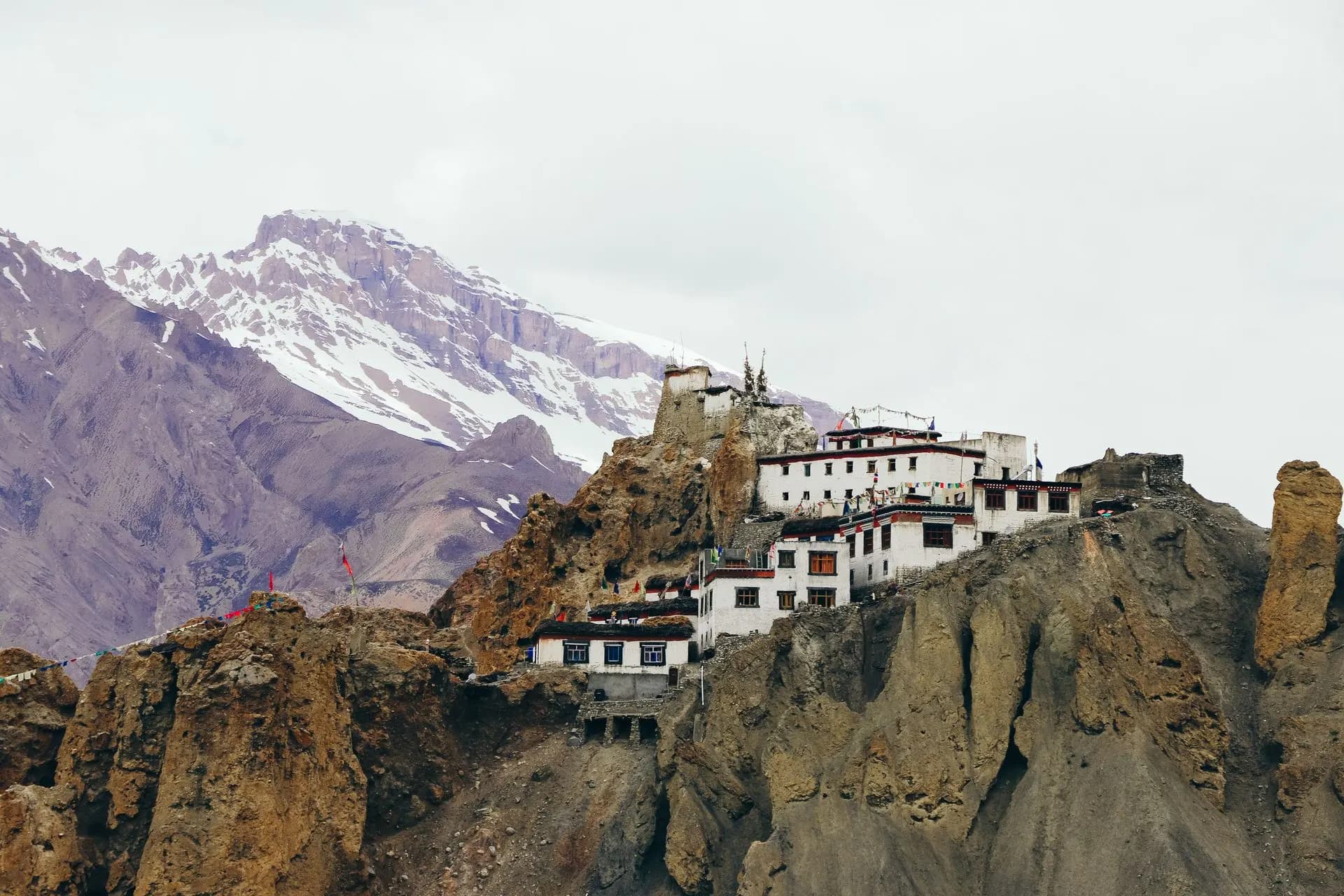
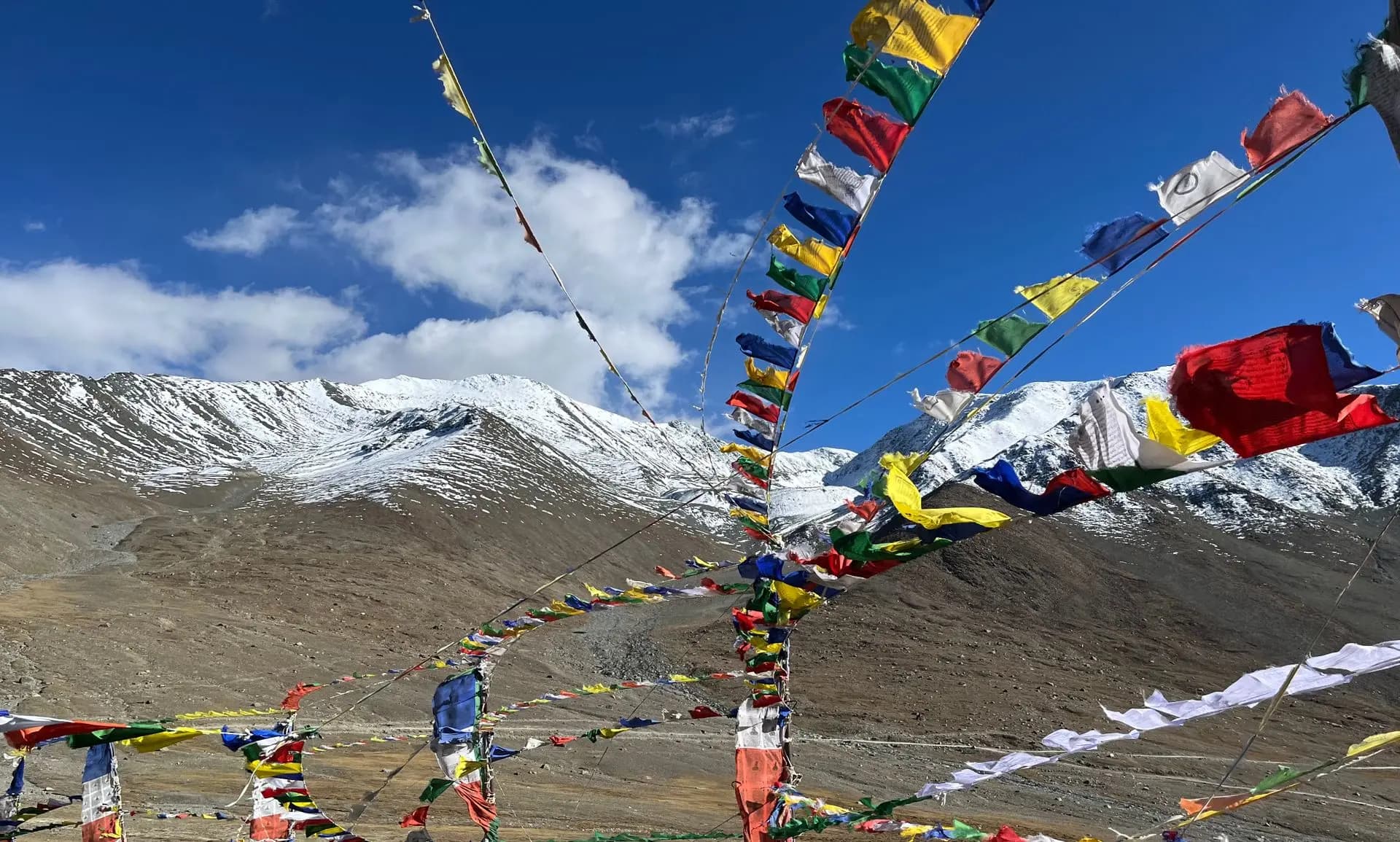
The Atal Tunnel is the trip that changes how people see Manali. Inaugurated on 3 October 2020 and named after former Prime Minister Atal Bihari Vajpayee, this 9.02 kilometre tunnel bores under the Pir Panjal range, its south portal about 25 kilometres from Manali at 3,060 metres and its north portal near Sissu in the Lahaul valley at 3,071 metres. It keeps Lahaul connected all year and shaves roughly 46 kilometres off the old Manali-Leh road. On the far side lies Sissu, at about 3,120 metres on the Chandra river, with its striking 50-metre Sissu waterfall and a landscape of bare brown mountains that feels nothing like the green you left behind. Crucially, the tunnel route to Sissu needs no Rohtang permit, though it is worth checking current Lahaul entry rules before you set off.
If you would rather see the classic pass, Rohtang Pass at 3,978 metres is still spectacular, but it is seasonal (usually shut from around November to April or May under snow) and requires an online permit from the official government portal at rohtangpermits.hp.gov.in, with daily vehicle caps and a weekly closure. Book it a day or two ahead and confirm the pass is open before setting out.
Naggar for history and art
For a quieter, culture-rich half-day, head about 20 kilometres south to Naggar, the old capital of Kullu. Naggar Castle, built around 1460 AD by Raja Sidhi Singh, is a handsome fusion of stone-and-timber Himalayan and European styles, now part-heritage-hotel with sweeping valley views. A short distance further sits the Nicholas Roerich Art Gallery, home of the Russian painter and mystic who settled in the Kullu valley and died here in 1947. The two pair naturally into one relaxed morning.
When to go
March to June brings pleasant days and lingering snow up high, making it ideal for first-timers and honeymooners. September to November is crisp, clear and less crowded, our favourite window for photography and treks. Avoid mid-July to mid-September if you can, as the monsoon triggers landslides and road closures across these hill routes. Winter is magical for snow, but check road status daily, as passes and higher stretches can close without warning.
Manali rewards travellers who slow down and look past Mall Road, and stitching these spots into the right number of days, with the right driver and the right season, is exactly the kind of thing we love to plan. If you would like a customised Manali itinerary that fits your pace and budget, message the Croudy Trips team on WhatsApp or give us a call, and we will map it out for you.