A warm, practical first-timer's guide to Spiti Valley: when to go, the Shimla vs Manali routes, acclimatisation, and the must-see monasteries and high villages of Himachal's cold desert.
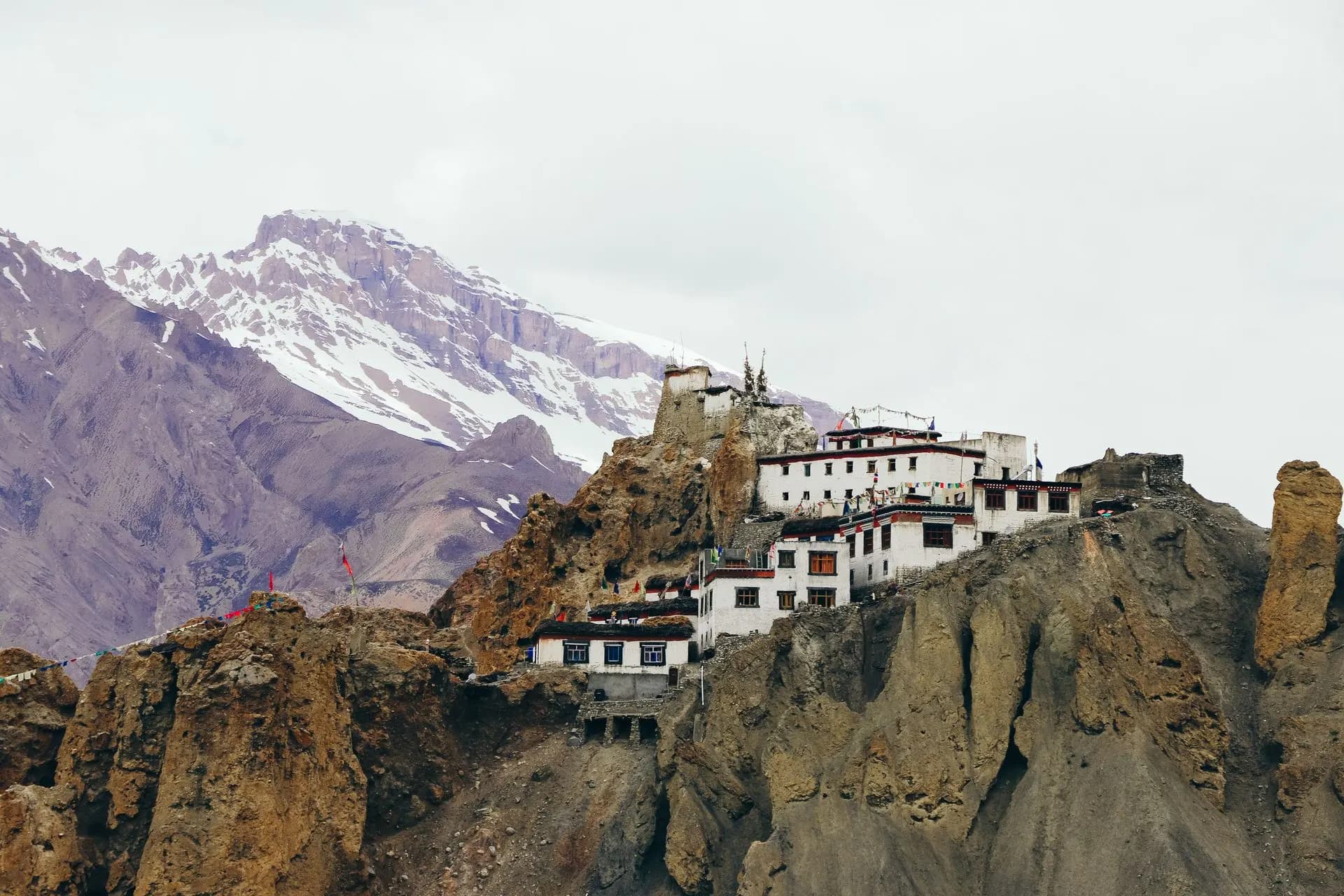
Spiti is one of those places that ruins you for ordinary holidays. It is a high-altitude cold desert tucked into the north-eastern corner of Himachal Pradesh, where whitewashed monasteries cling to ochre cliffs, villages sit higher than most European mountain peaks, and the Spiti river cuts a silver line through a moonscape of bare rock. For a first-timer it can feel intimidating: the roads are rough, the altitude is real, and the planning matters more than for a regular hill-station trip. This guide walks you through the essentials so your first Spiti journey is smooth, safe and unforgettable.
When to go
The friendliest window is late June to September, when both approach roads are open and the weather is stable. September is a local favourite: golden poplars, clear skies, thinner crowds and better homestay rates. Summer days in Kaza are pleasant, while nights stay cold year-round. Winter is a different beast entirely. From roughly December to March, Kaza night temperatures can plunge to around minus 25 to minus 30 degrees Celsius, many stretches close, and only hardy travellers head in for the frozen villages and the rare chance of spotting a snow leopard. For a first trip, stick to the summer or early-autumn window.
The two routes: Shimla vs Manali
There are two ways in, and the smart move is to use both. The Shimla route runs via Kinnaur and is roughly 420 km to Kaza, taking around 12 hours of driving spread over two to three days. It climbs gradually, which is exactly why it is the better entry: your body gains altitude slowly. The Manali route is shorter at roughly 200 km but far more dramatic and abrupt. Since the Atal Tunnel opened in 2020, you bypass the old Rohtang crossing, but you still climb over Kunzum Pass at 4,551 metres, rising from about 2,000 m at Manali to that height within a few hours. The classic, most comfortable plan is to enter via Shimla, exit via Manali, and see the whole circuit in one loop.
Do the circuit in one direction: come UP the gentle Shimla-Kinnaur road to acclimatise, and go DOWN through Manali. Entering directly from Manali sends you from 2,000 m to 4,500 m in an afternoon, which is the single most common cause of altitude sickness on a Spiti trip.
Acclimatisation: take it seriously
Kaza, the main town and base, sits at roughly 3,650 metres, and the villages around it climb well past 4,000 m. Acute mountain sickness does not care how fit you are. Build in rest, gain height gradually, drink far more water than feels natural, and avoid alcohol for the first couple of days. Give yourself a night or two at intermediate stops such as Kalpa or Nako on the way up rather than racing to Kaza. If headaches, nausea or breathlessness get worse rather than better, the only real cure is to descend. Carry basic medication and talk to your doctor before the trip if you have any heart or lung conditions.
The must-see monasteries and villages
Spiti's soul is in its Buddhist heritage and its impossibly high hamlets. Give yourself at least three or four days around Kaza to see them without rushing.
- Key Monastery: the largest and most photographed gompa in Spiti, stacked like a fort at about 4,166 m, just above Kaza.
- Tabo Monastery: founded in 996 AD and often called the Ajanta of the Himalayas for its ancient murals; one of the oldest continuously functioning monasteries in the Himalayas.
- Dhankar Monastery: perched dramatically on a spur, about 32 km from Kaza, with a short hike to a glacial lake above it.
- Komic: among the highest motorable villages in the world, with a tiny monastery.
- Hikkim: home to the world's highest post office at around 4,400 m, where you can post a real postcard home.
- Langza: watched over by a giant Buddha statue, and known for fossils in the surrounding hills.
- Kibber: a striking village at about 4,270 m, gateway to the Kibber Wildlife Sanctuary.
Chandratal and Kunzum Pass
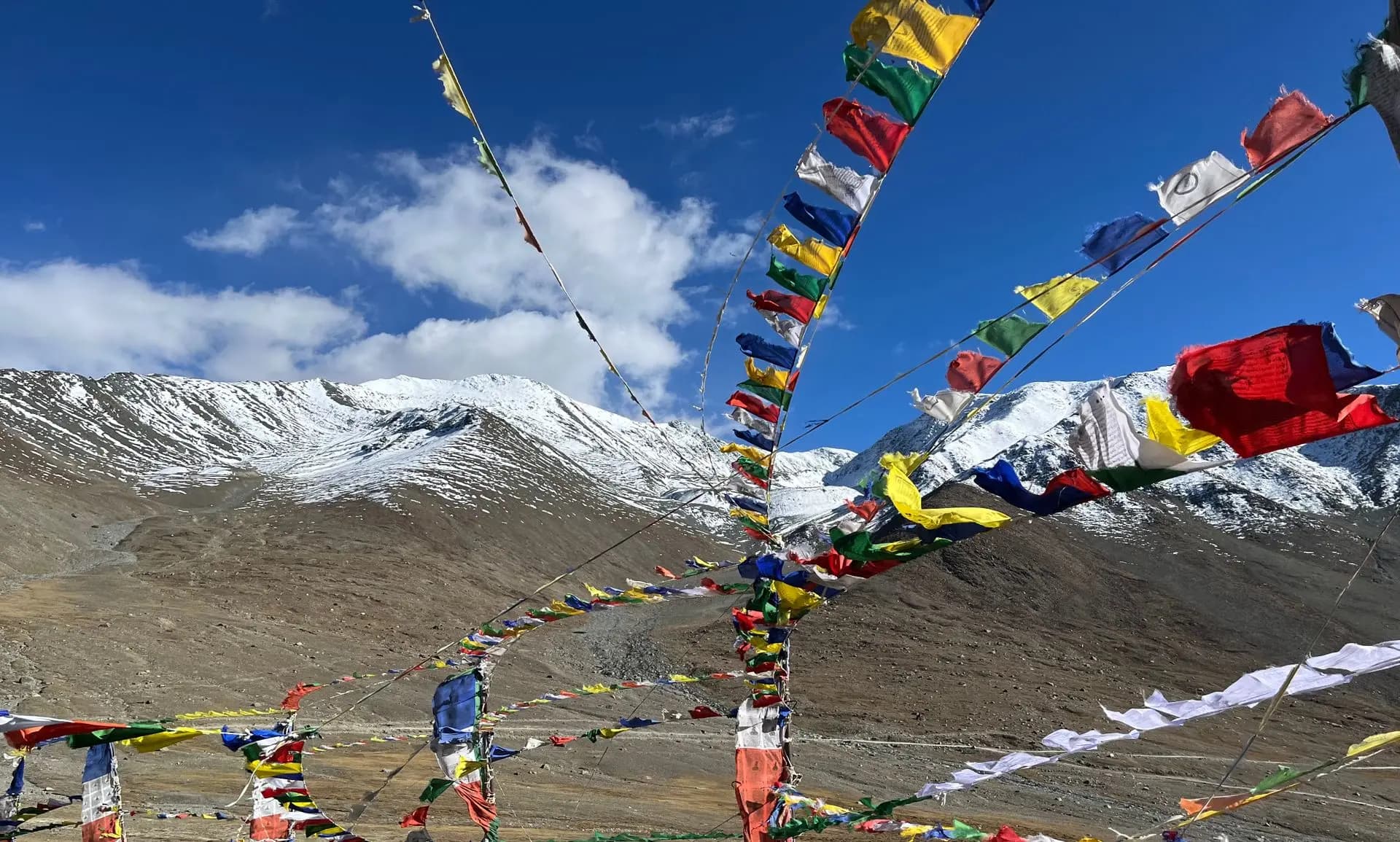
On the Manali side of the loop lies Chandratal, the crescent-shaped Moon Lake at around 4,300 metres. Camping on the shore is banned to protect it, so authorised campsites sit two to three km back, and the final approach is a rough dirt track off the main road near Batal. You reach this area by crossing Kunzum Pass, which typically opens only from around June to October, so the full circuit is a summer-and-early-autumn affair.
Permits and practicalities
Good news for Indian travellers: no special permit is needed for the core Spiti circuit through Kaza, Key, Langza, Komic, Tabo and Chandratal. Foreign nationals do need an Inner Line Permit for parts of the Kinnaur-Spiti stretch, easily arranged at Reckong Peo or Kaza. Beyond that, carry cash because ATMs are scarce and unreliable, download offline maps, keep your phone on a BSNL or postpaid connection as most prepaid networks barely work, and fuel up at Kaza, which has one of the only petrol pumps in the region. A sturdy vehicle with a good driver, or an organised shared trip, beats an underpowered rental on these roads.
Spiti rewards travellers who plan well and move slowly, and getting the routing, timing and acclimatisation right is exactly what turns a stressful first trip into a magical one. If you would like a first-timer itinerary built around your dates, budget and comfort level, the Croudy Trips team is happy to help; just message us on WhatsApp or give us a call and we will map the whole circuit with you.